
Spice Routes and Soul Food: A World Tour of Cuisines
From the fiery curries of India to the delicate sushi of Japan, explore how geography, history, and culture shaped the world's most celebrated culinary traditions.
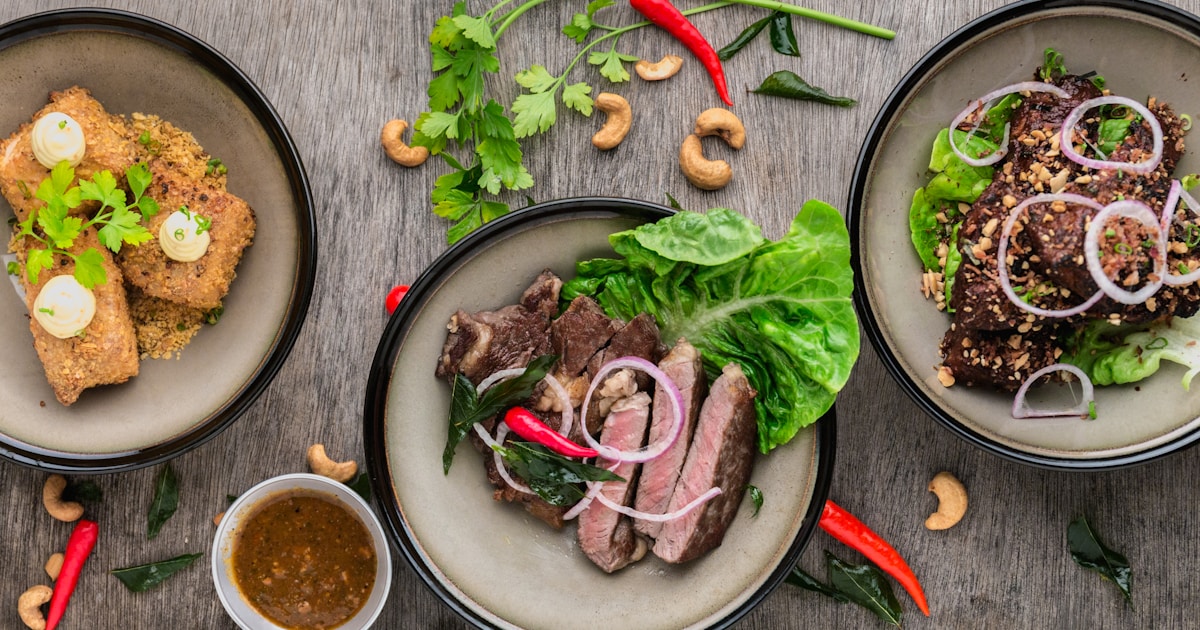
Food is culture made edible. Every cuisine in the world tells a story — of climate and geography, trade routes and conquests, religious beliefs and colonial legacies. To understand what a nation eats is to understand its history, its values, and its identity at the most fundamental level.
"One cannot think well, love well, sleep well, if one has not dined well." — Virginia Woolf
The Foundations: Staple Grains
Every great cuisine is built on a staple grain. In East Asia, it's rice. In the Mediterranean, it's wheat. In Central America, it's corn (maize). In sub-Saharan Africa, it's millet and sorghum. These grains provided the caloric foundation that allowed civilizations to grow, and the entire flavor architecture of each cuisine was built around them.
The staple grain dictates everything: in Japan, rice is so central that the word for "meal" (gohan) literally means "cooked rice." In Italy, wheat becomes pasta, bread, and pizza dough. In Mexico, corn is nixtamalized into masa, which becomes tortillas, tamales, and tlacoyos.
The Spice Trade and Global Flavors
India: The Spice Kingdom
Indian cuisine is the world's most spice-intensive. A single dish might contain turmeric, cumin, coriander, cardamom, cinnamon, chili, and a dozen more — each added at different stages of cooking to build layers of flavor. The concept of the masala (a specific blend of spices) is central; every family has its own recipes, passed down through generations.
India's regional diversity is staggering. The rich, cream-based curries of Punjab bear little resemblance to the coconut-and-curry-leaf dishes of Kerala in the south. Bengali cuisine emphasizes fish and mustard oil, while Rajasthani food developed preservation techniques suited to desert conditions.
Thailand: The Balance of Five Flavors
Thai cuisine is built on the principle of balancing five fundamental tastes in every dish: sweet, sour, salty, bitter, and spicy. A proper Tom Yum soup hits all five simultaneously. Fish sauce provides the salt, lime juice the sour, chili the heat, sugar the sweet, and fresh herbs the bitter edge.
Mediterranean: Oil, Wine, and Simplicity
The Mediterranean diet — shared across Italy, Greece, Spain, Turkey, and the Levant — is built on olive oil, fresh vegetables, legumes, fish, and moderate wine. It has been recognized by UNESCO as an Intangible Cultural Heritage of Humanity and consistently ranks as one of the world's healthiest diets.
Italian cuisine elevates simplicity to an art form. A true Margherita pizza — San Marzano tomatoes, mozzarella di bufala, fresh basil, and extra-virgin olive oil — uses just four ingredients but requires each one to be perfect. The Italian principle of cucina povera (poor cooking) proves that restraint, not excess, produces the greatest dishes.
French Haute Cuisine
French cuisine formalized the Western culinary tradition. Auguste Escoffier (1846-1935) codified the five "mother sauces," established the brigade kitchen system, and elevated cooking from a trade to a profession. The concept of the Michelin star — first awarded in 1926 — created a global standard for culinary excellence.
East Asian Traditions
Japan: The Art of Precision
Japanese cuisine treats cooking as a form of meditation. Sushi, in its original form, was a preservation technique — fish packed in fermented rice. The modern Edomae style, developed in 19th-century Tokyo, elevated it into one of the world's most refined culinary arts. A master sushi chef trains for a minimum of 10 years.
Kaiseki — the Japanese multi-course haute cuisine — is as much about aesthetics as flavor. Each dish is chosen to reflect the season, presented on carefully selected ceramics, and arranged to create visual harmony.
China: Eight Great Traditions
Chinese cuisine encompasses at least eight distinct regional traditions: Cantonese (dim sum, roast meats), Sichuan (fiery chili-and-numbing-peppercorn dishes), Shandong (seafood and braised dishes), and Hunan (smoked and cured meats), among others. The Sichuan concept of mala — the tingling, numbing sensation from Sichuan peppercorns combined with chili heat — has conquered global palates.
The Global Table
Today, cuisine is more global than ever. A single city block might offer ramen, tacos, kebabs, and pho. Yet the local traditions remain vital — each one a living archive of the geography, history, and ingenuity of the people who created it.
World Cuisines Assessment
Before you leave, verify your understanding of the material. Earn up to 80 Sparks for a perfect score.
Continue Reading
This article was published by the Rational Brain Editorial Board. We are dedicated to creating deeply researched, highly engaging educational content that bridges the gap between traditional publishing and cognitive-science-backed active recall.